They appear as founder bottlenecks, slow decisions, team friction, misalignment, and the growing weight of carrying complexity alone.
The Clarity Lab helps founders, executives, and leadership teams uncover the hidden patterns shaping how they think, decide, and lead — creating the clarity required for stronger organizations, better decisions, and extraordinary results.
The most expensive leadership problems hide in plain sight.
Very few leaders understand
These patterns shape
The most expensive leadership problems are often rooted in what leaders cannot yet see.
The most expensive leadership problems rarely resolve themselves.
Ford was facing significant financial challenges when Alan Mulally became CEO. The challenge wasn't a lack of talent, resources, or strategy. It was a lack of alignment. Leaders operated in silos, problems were hidden, and trust was limited across the organization. Mulally transformed how leaders communicated, collaborated, and addressed challenges together. Ford became the only major U.S. automaker to avoid a government bailout during the financial crisis and emerged as one of the industry's most significant turnaround stories.
Microsoft was already a successful company when Satya Nadella became CEO. The challenge wasn't technology. It was culture. Silos, internal competition, and a fixed mindset had become barriers to innovation. Nadella's leadership transformed how people thought, collaborated, and learned. Microsoft's market value grew from roughly $300 billion to over $3 trillion.
Netflix was already a successful company when Reed Hastings began reshaping its culture. The challenge wasn't technology. It was creating an organization capable of sustained innovation at scale. Hastings transformed how people thought about accountability, transparency, and performance. By building a culture centered on trust, ownership, and clarity, Netflix evolved from a DVD-by-mail service into one of the world's most influential entertainment companies with a market value exceeding $200 billion at its peak.
Approximately 65% of startup failures involve people-related challenges, including leadership conflict, trust breakdowns, and misalignment.
Organizations in the top quartile of employee engagement experience significantly higher profitability and productivity than their peers.
Only 26% of senior leaders strongly agree that employees clearly understand their organization's priorities and direction.
The most expensive leadership problems become business problems.
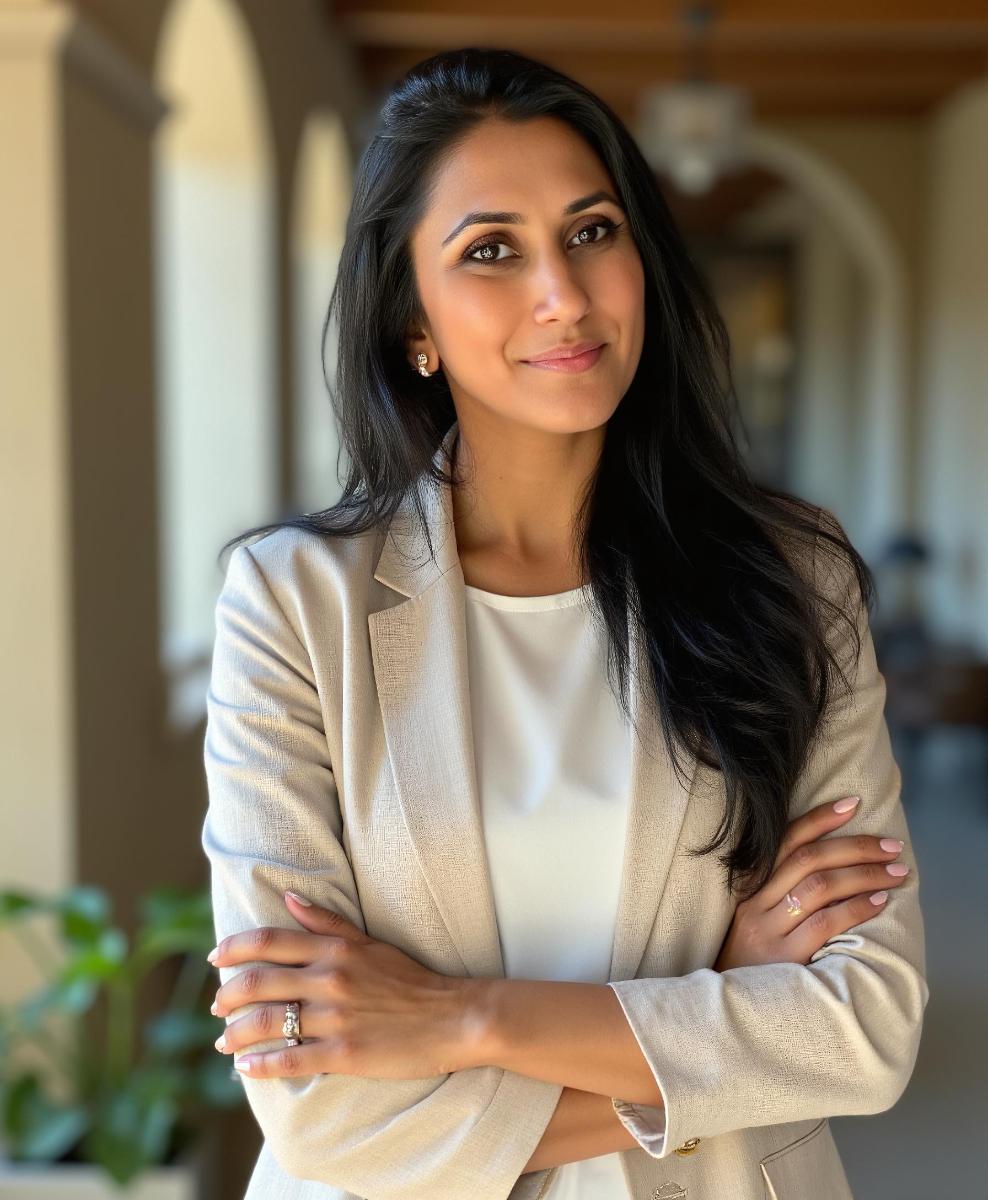
For much of my life, I have lived between worlds.
At five years old, I left India to join parents I had never met. I learned early that culture, language, family, geography, and circumstance can shape how we see ourselves — but they do not define who we are.
That experience taught me something I continue to see in leaders today: Many people spend years building a version of themselves they believe they must become, while quietly feeling disconnected from who they truly are.
Success often rewards this.
The habits that create growth can also create pressure. As organizations grow, hidden tensions become harder to ignore. Decisions become heavier. Trust becomes more fragile. The same challenges keep resurfacing in different forms.
This is where The Clarity Lab began.
Through experiences that challenged my assumptions about identity, control, and certainty — including immigration, entrepreneurship, and a life-changing kidney transplant — I learned that growth is rarely about trying harder. It begins with seeing more clearly.
Today, I work with founders, executives, and leaders navigating complexity, pressure, and growth. Many come looking for answers to business problems. What we often discover is that the greatest constraints are not strategic. They are human.
My role is not to tell leaders what to think. It is to create a space where they no longer need to perform, prove, or conform. A space where they can see themselves, their patterns, and their organizations with greater clarity.
Because when leaders gain clarity, they make different decisions. And when leaders make different decisions, organizations change.
I created The Clarity Lab because I believe all good ideas deserve the opportunity to thrive.
Businesses are rarely limited by a lack of potential. More often, they are limited by the unseen patterns shaping the people leading them.
When those patterns become visible, leaders change. When leaders change, organizations change. And when organizations change, entirely new futures become possible.
Depending on the needs of the client, the work may incorporate proprietary assessments, behavioral analysis, leadership diagnostics, and emerging Human OS tools designed to uncover hidden patterns shaping performance.
These tools help make visible the patterns influencing leadership, decision-making, trust, alignment, and performance.
These tools illuminate
Engagements begin with a confidential conversation. Share a few details and Neha will respond personally to determine whether the work is a fit.